
Home / Articles
Articles
Notes on facilitation, coaching, community hosting, and shared play. New pieces land here as they publish.
All Articles

How to Host a Board Game Night People Want to Come Back To
How to host a board game night people enjoy: pick one game that fits the group, teach it fast, keep turns moving, and close with a short, easy...
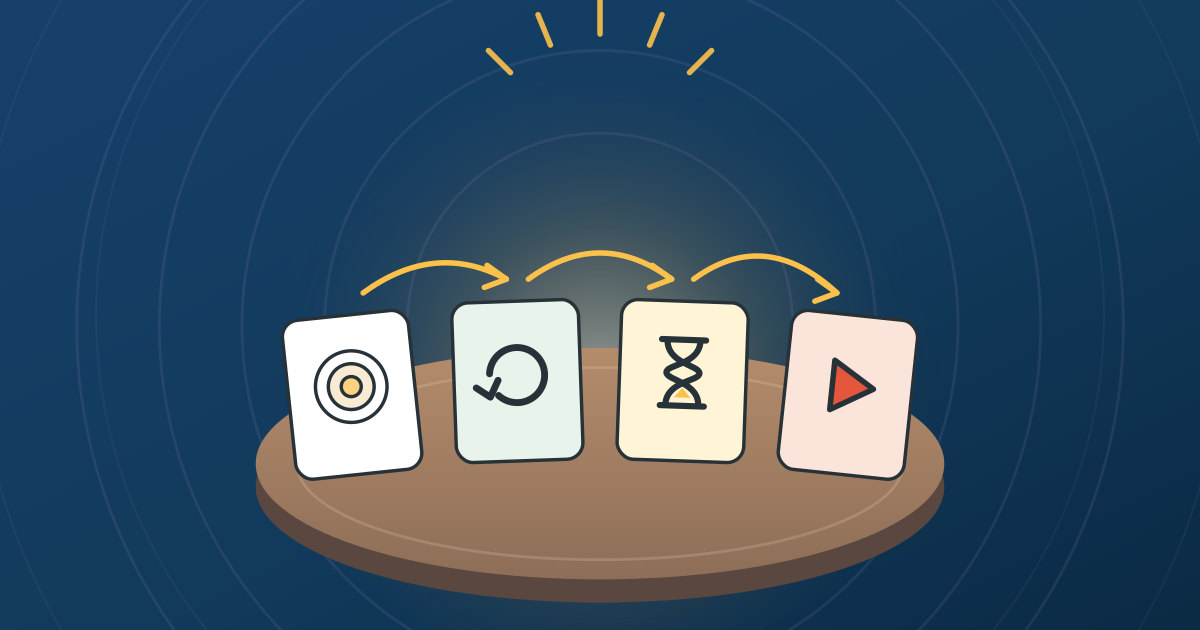
How to Teach a Board Game: Goal, Turn, End, Then Play
How to teach a board game so new players can start fast: the goal first, one example turn, how it ends, and a practice round, with no rulebook...
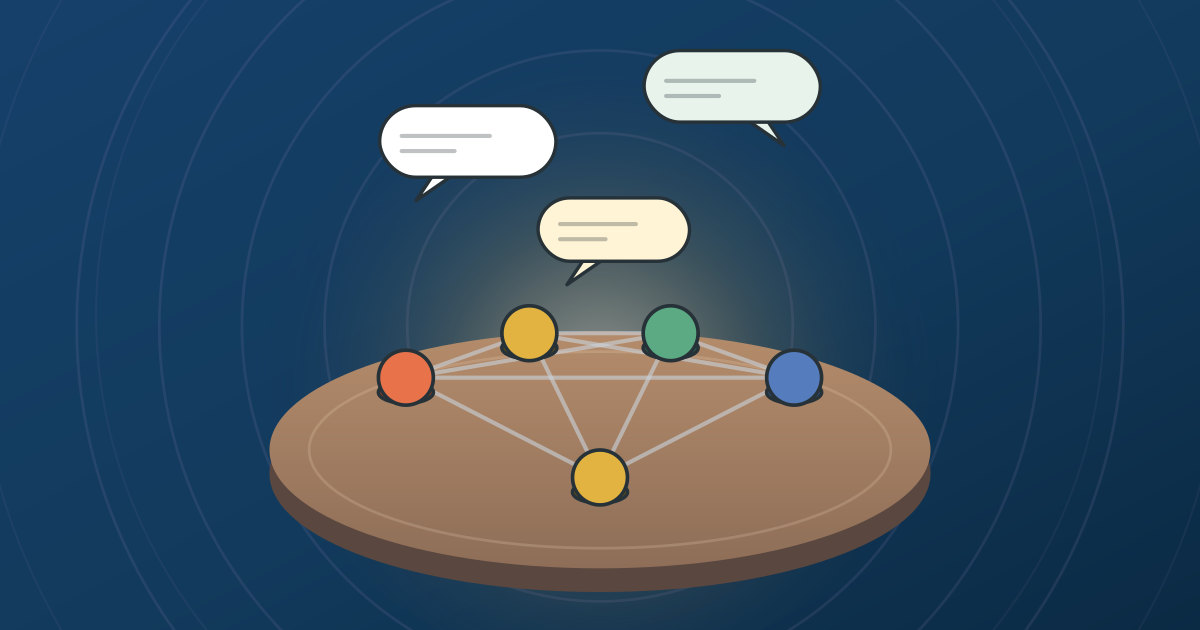
Board Games That Teach Social Skills: What Each Game Lets People Practice
Which board games give kids, teens and adults real social skills practice: listening, clear clues, teamwork and turn-taking, plus how a host makes it...
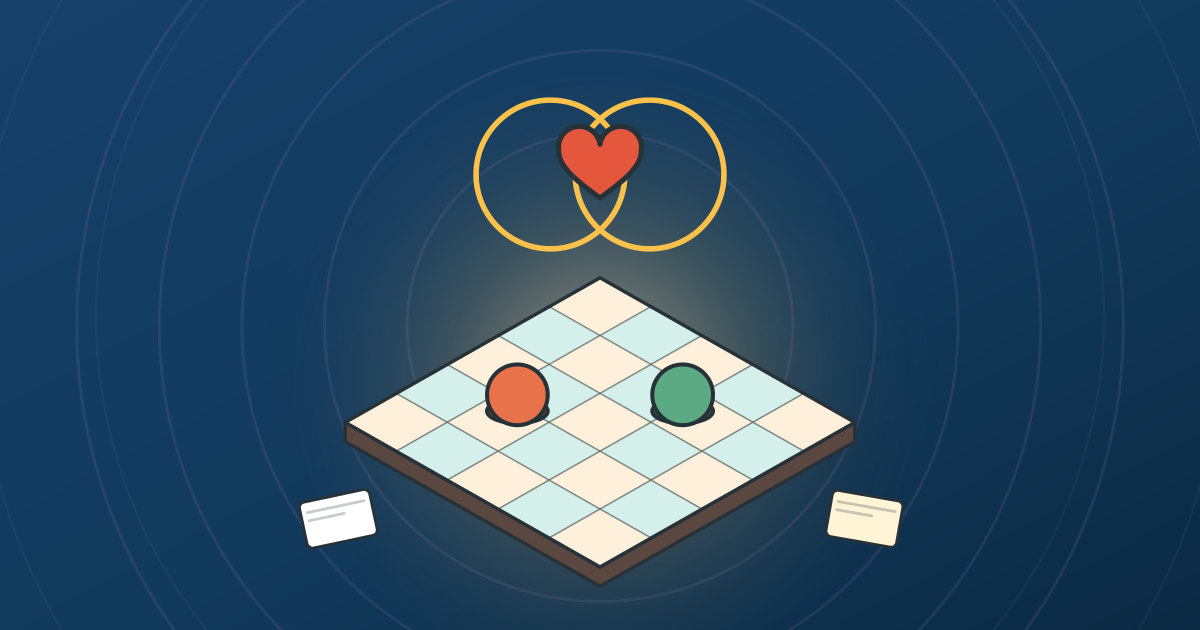
Board Games for Couples: Two-Player Games That Build Connection
Board games for couples that build connection, not arguments: co-op and head-to-head two-player picks, plus simple ways to keep date night playful.

Quarterbacking in Board Games: What It Is and How to Stop It
Quarterbacking is when one player directs everyone's moves in a co-op game. How to spot it, games built to limit it, and calm host lines that give...
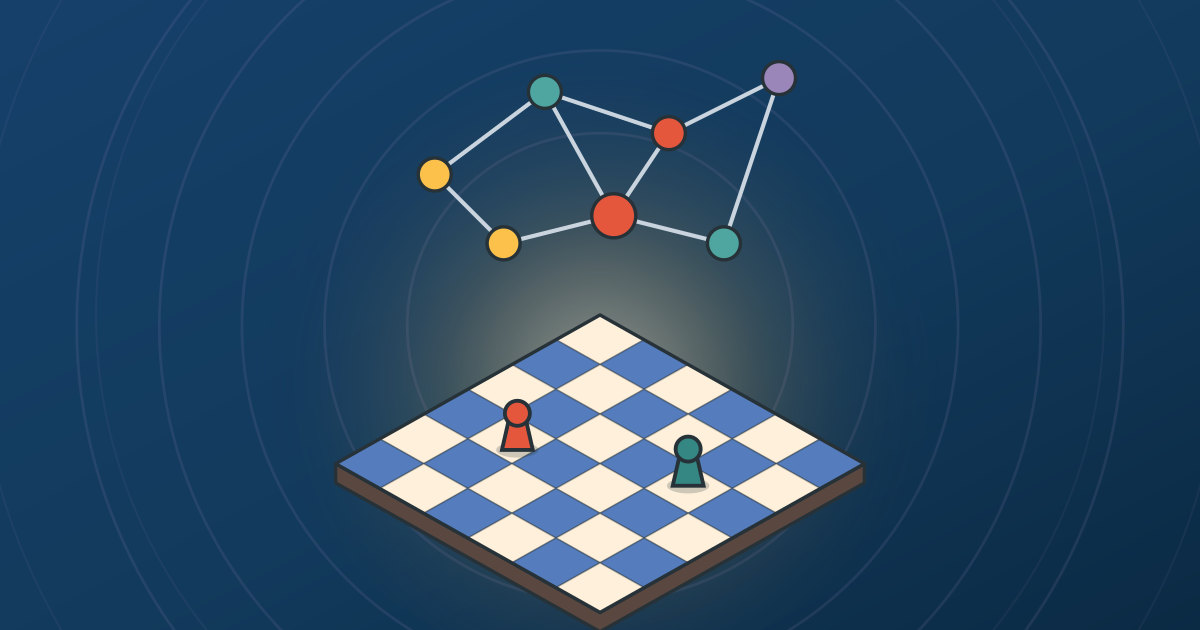
Are Board Games Good for Your Brain? What the Research Shows and What It Does Not
Are board games good for your brain? What the research shows about games and thinking in children and older adults, what it does not show, and how to...

Board Games for Team Building: What to Play and How to Run It at Work
Board games for team building that work at the office: what to pick, how to keep it opt-in and fair, and a short debrief that stays about the game.
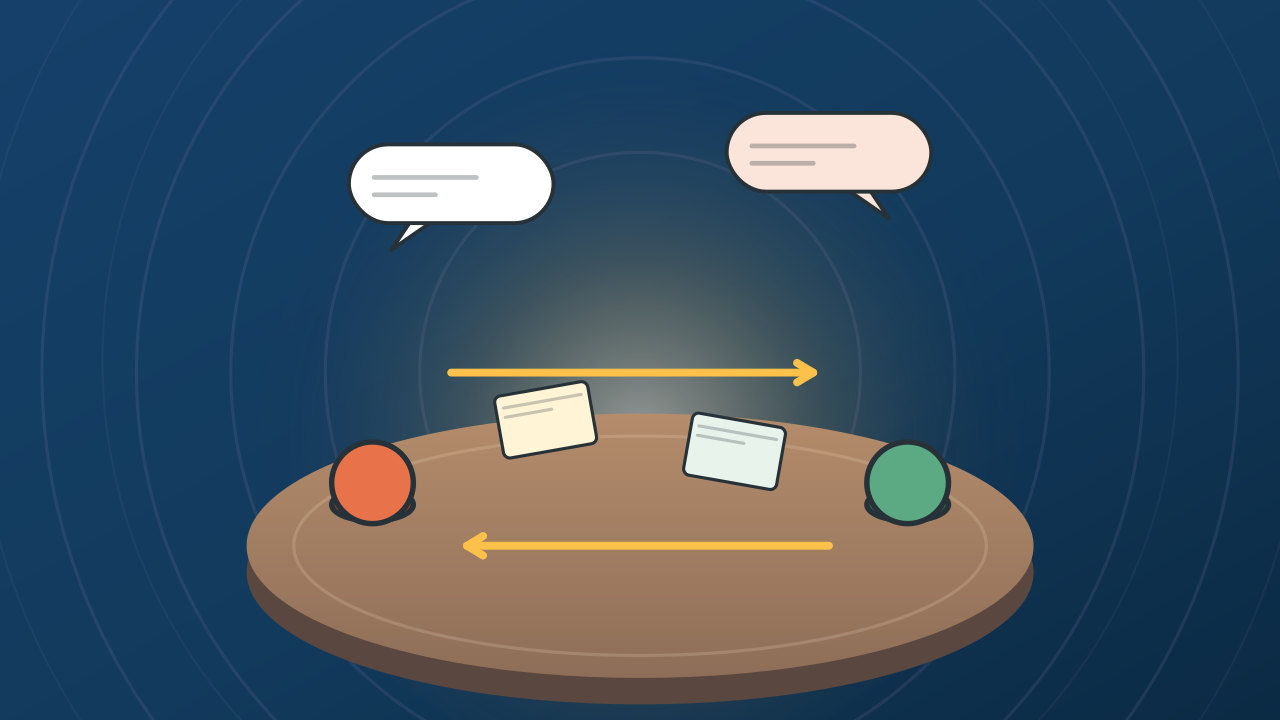
Say the Ask Out Loud: Negotiation Board Games for Assertiveness Practice
Negotiation board games offer a setting for practicing a clear request, a concrete offer, and a response that respects no. Choose a familiar game,...
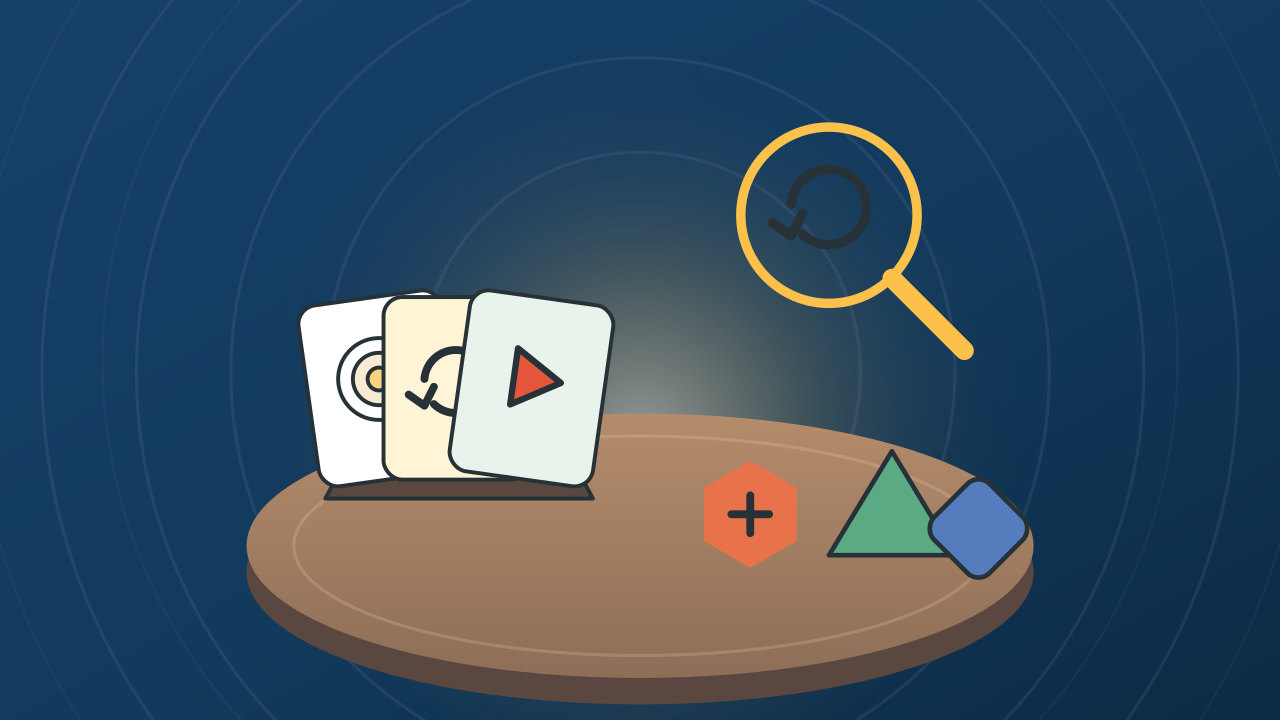
Adapting Board Games for Accessibility: Keep the Choice, Change the Barrier
To adapt a board game for accessibility, change what blocks a player, such as reading, holding, seeing, or timing, while keeping their decision...

Frustration Tolerance Through Board Games: Keeping Your Seat When the Tower Falls
Frustration tolerance is a plain skill with a fancy name. It is what you do after something annoying happens, and before you hand that annoyance to...
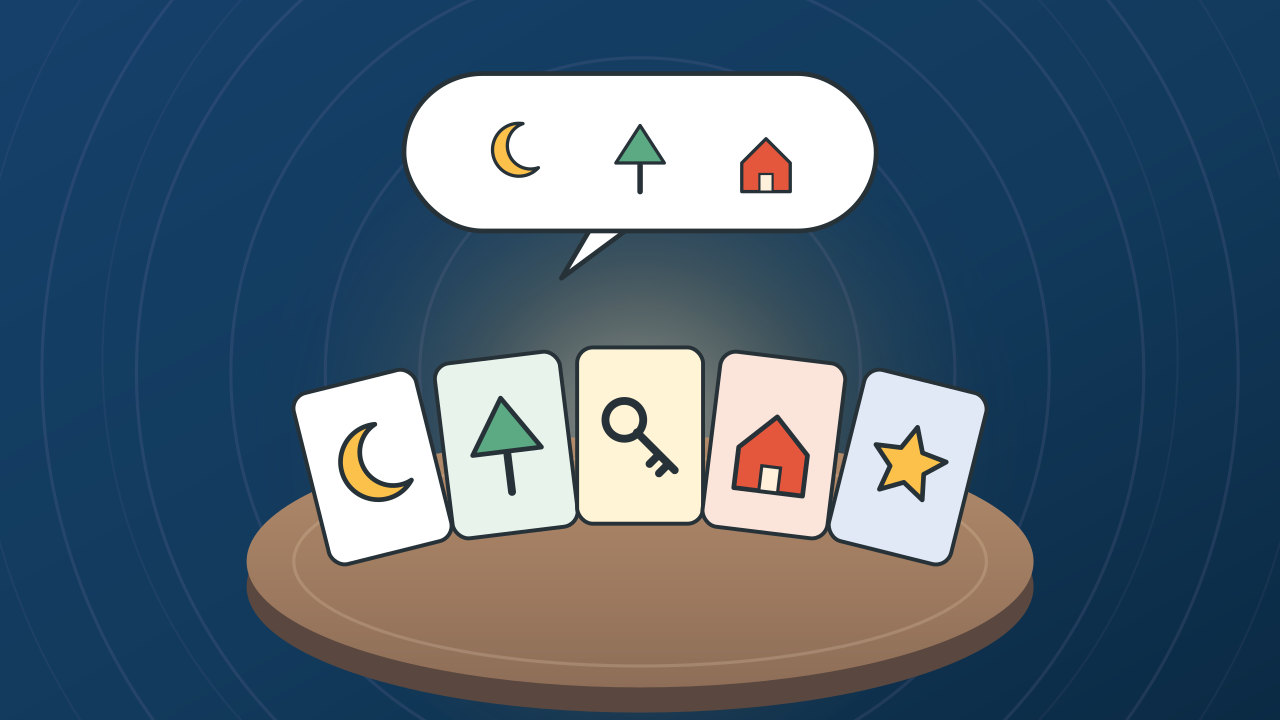
Storytelling Games for Self-Expression: Saying It Through a Story You Can Set Down
Describing a problem is one thing. Finding words for what it feels like from the inside can be harder, especially in a room where someone is still...
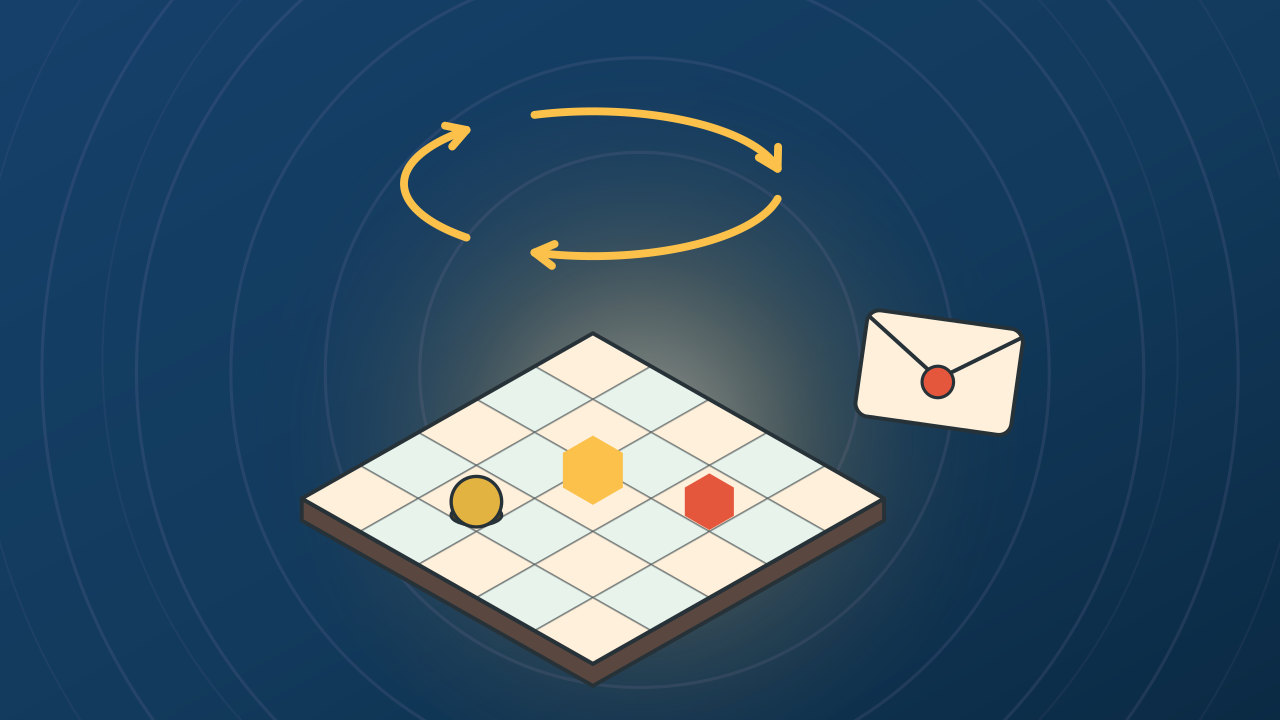
Legacy Games for Ongoing Groups: What the Board Keeps Between Meetings
Most games forget you. You pack the board, shuffle the deck, and next week the table looks like nobody was ever there. That reset is fine for a single...
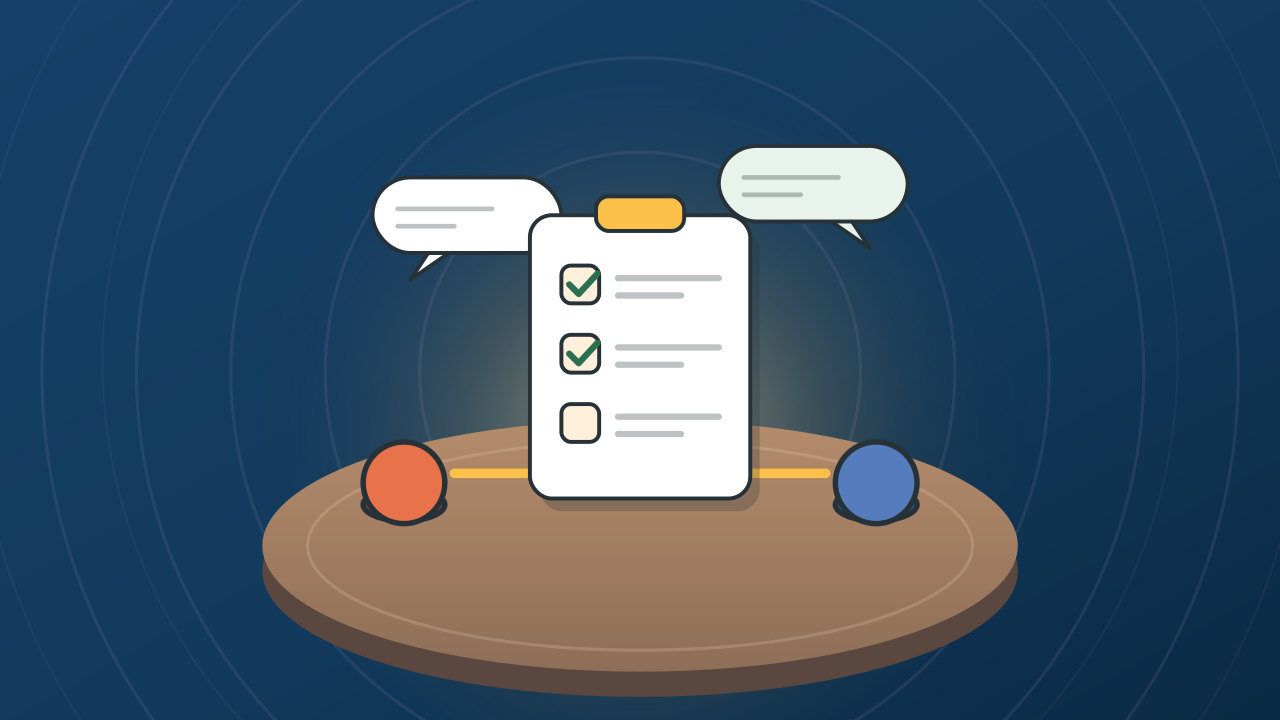
Board Game Conflict Repair Rubric for Facilitators
A game can go sideways in the middle of a turn. Someone snaps at a rule call. A player goes quiet. A joke lands wrong. The host has a few seconds to...
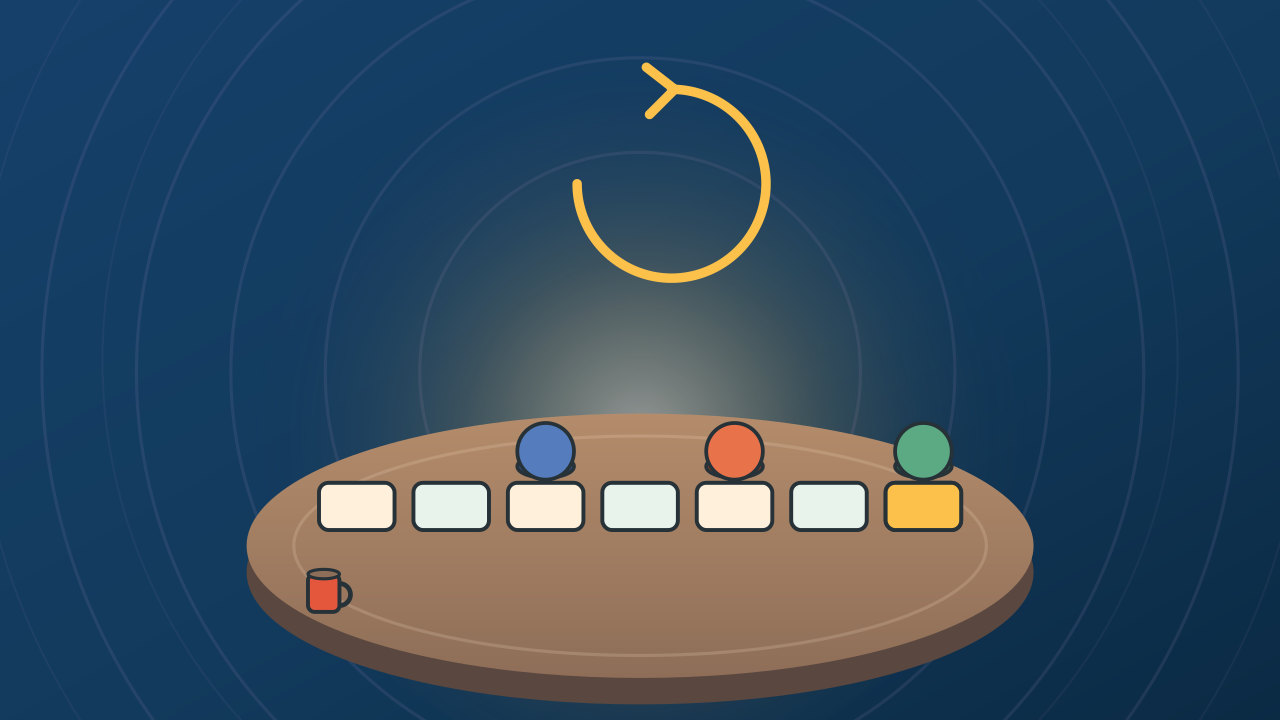
Handling Losses in Board Games: A Facilitator FAQ
Board games are one of the few places adults meet disappointment on a schedule. A game can offer a place where the sting is real and the ending is clear...

Plan a Six-Week Board Game Skills Series Backward From the Last Night
A stack of good games is not a series. Six Tuesday nights can feel lively and still leave people unsure what they practiced, or why week four felt nothing...
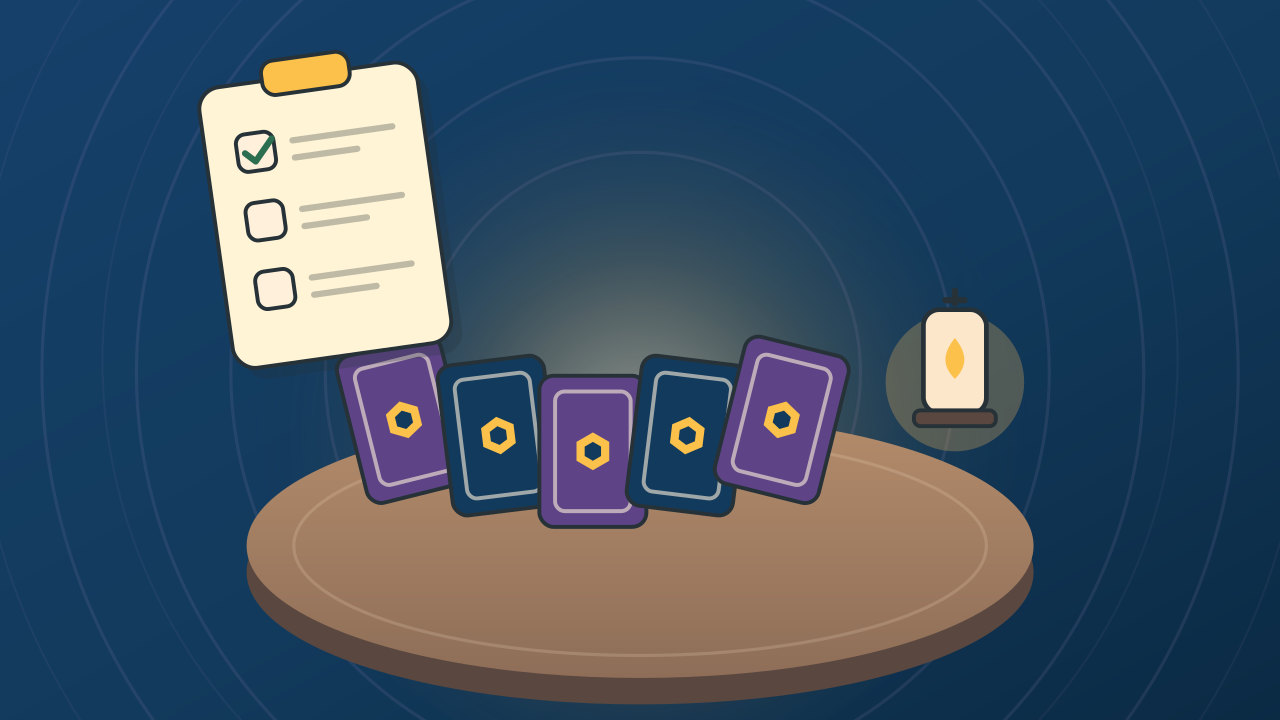

Board Games for Family Connection: When a Family Will Sit for a Game but Not a Talk
Some families will not sit down for a conversation. They will sit down for a game. That difference is easy to call avoidance. Sometimes it is. Often it is...
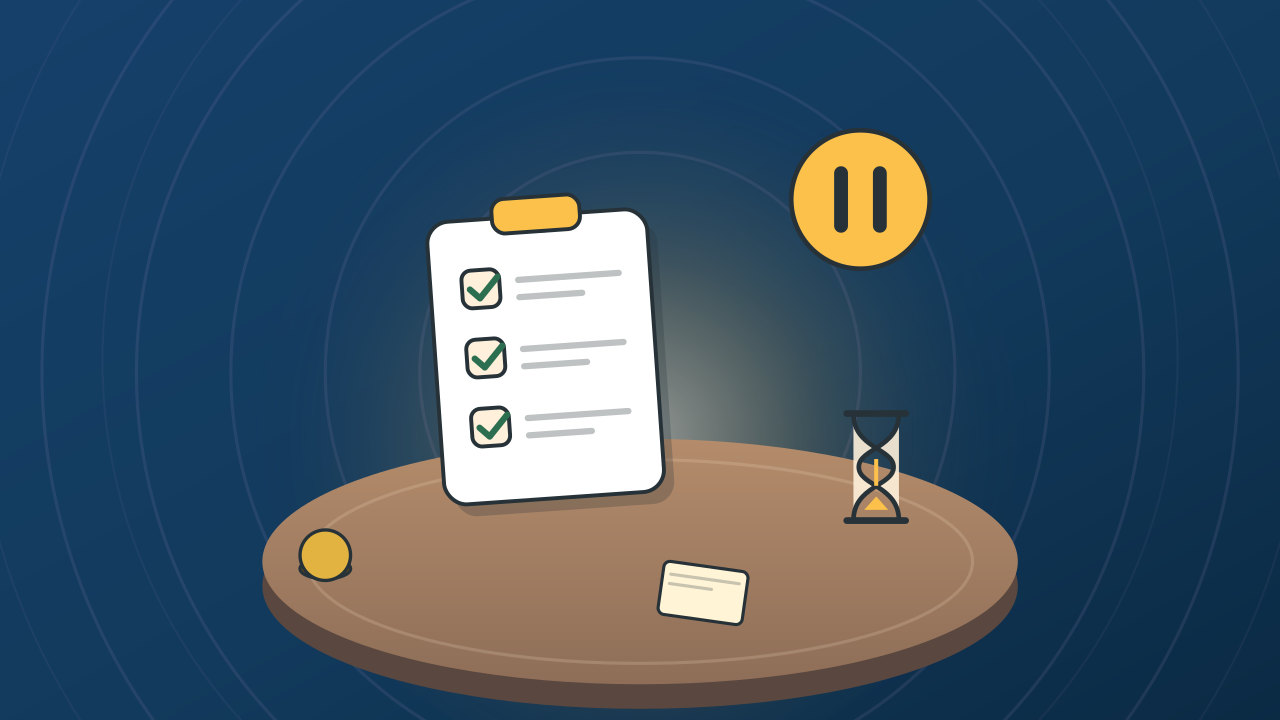
Facilitator Self-Check Before You Start
Three questions before game night so the table matches your real role, scope, and goal.
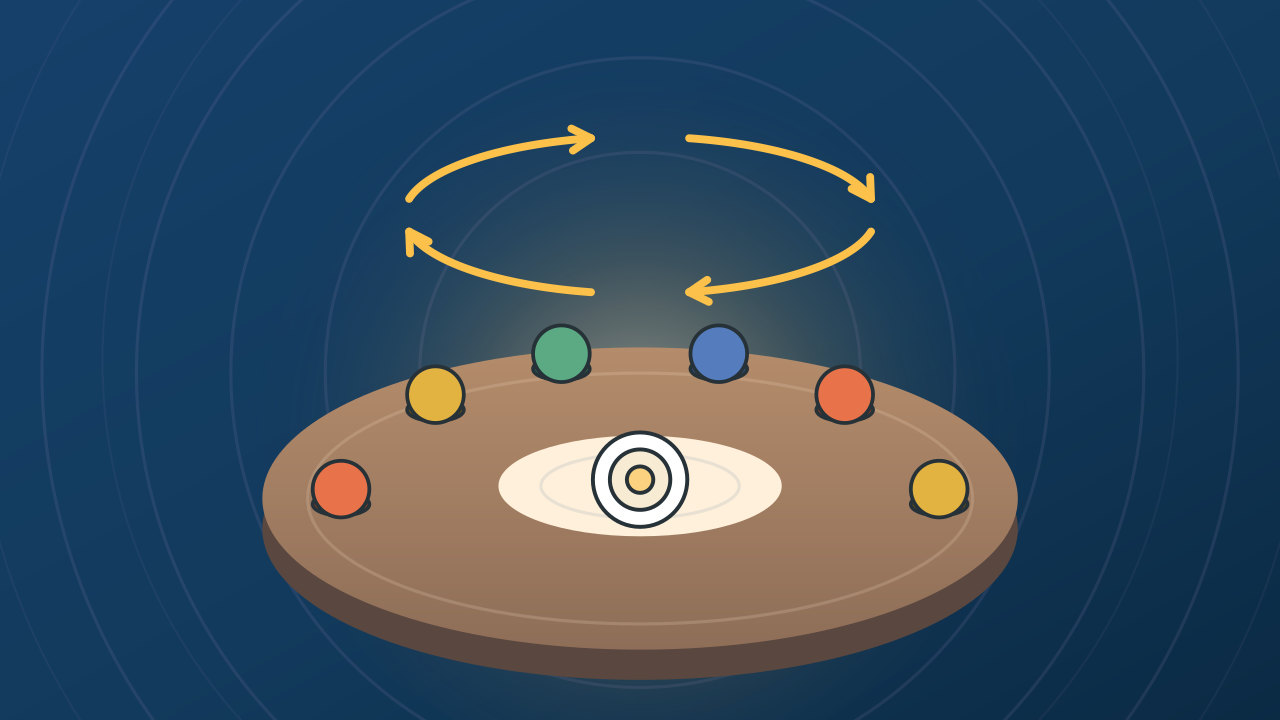
Predictable Facilitation Builds More Trust Than Warm Vibes
Consistency in rulings and turn structure builds table trust faster than charm alone.

When Silence Is the Skill
Intentional quiet after reveals, conflict, and debrief questions so the next useful line can show up.

Choosing a Game for the Goal You Actually Have
A practical note on matching mechanic to purpose without inventing a catalog. Host-safe defaults first.
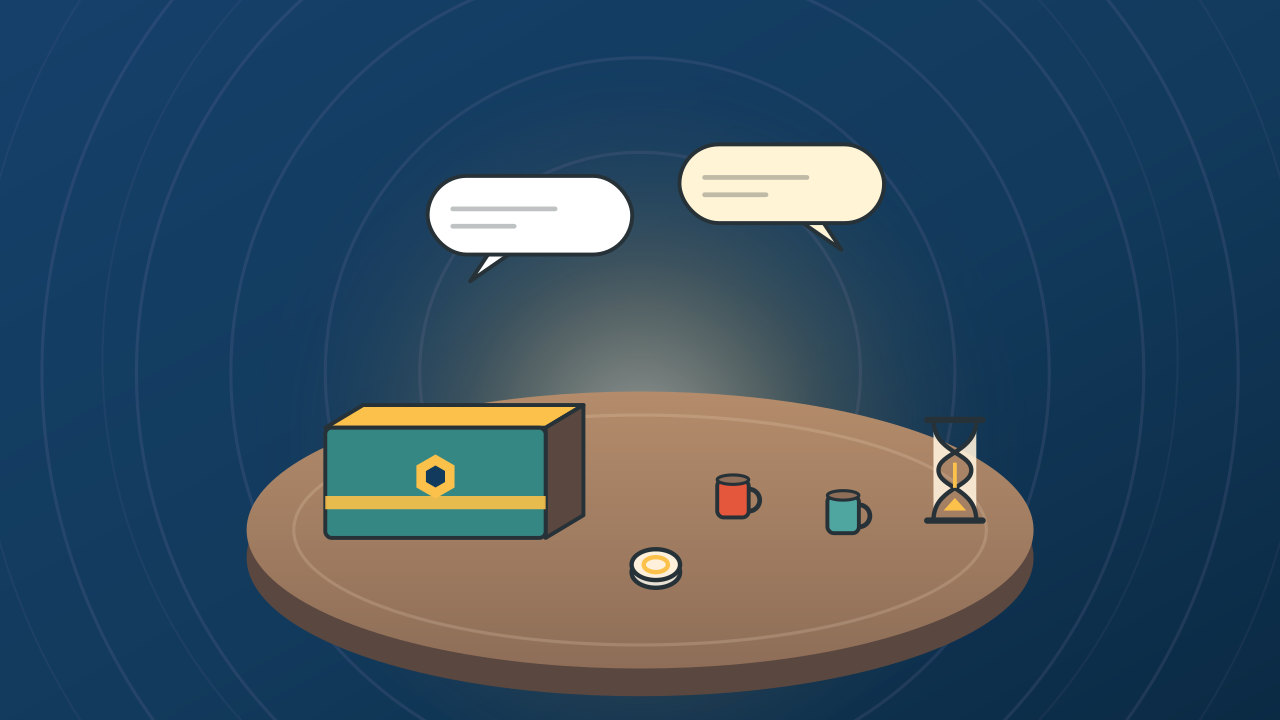
Debrief Without Turning Game Night Into Therapy
Board-first reflection prompts for hosts and leaders. Empty → Sort → See → Act in plain language. Not a diagnosis tool.
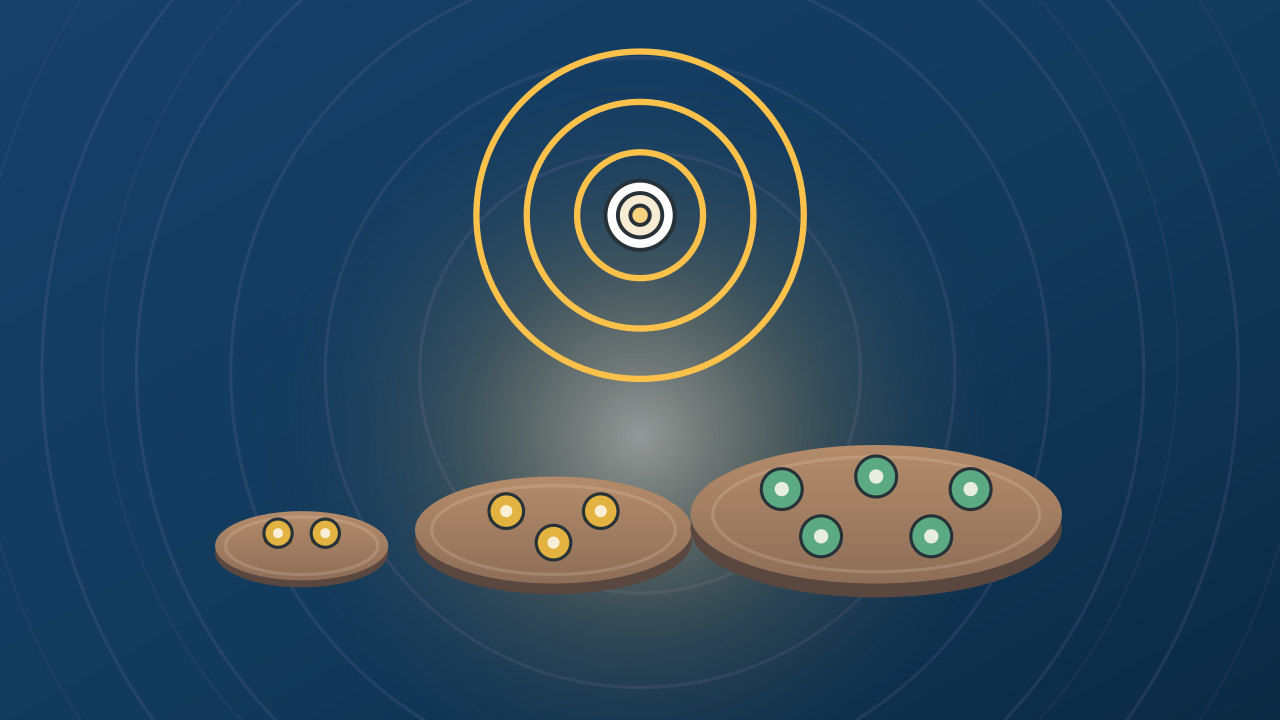
One Method, Three Scopes: Staying in Your Lane
How Therapists, Coaches, and Leaders & Facilitators share a method without marketing community play as treatment.
Browse by Topic
Each topic pairs articles with games from the free Game Library.
Communication
- Say the Ask Out Loud: Negotiation Board Games for Assertiveness Practice
- Storytelling Games for Self-Expression: Saying It Through a Story You Can Set Down
- When Silence Is the Skill
- Board Games That Teach Social Skills: What Each Game Lets People Practice
Teamwork
- Legacy Games for Ongoing Groups: What the Board Keeps Between Meetings
- Predictable Facilitation Builds More Trust Than Warm Vibes
- Plan a Six-Week Board Game Skills Series Backward From the Last Night
- Quarterbacking in Board Games: What It Is and How to Stop It
- Board Games for Team Building: What to Play and How to Run It at Work
Games to try: Pandemic, Spirit Island, Hoot Owl Hoot!.
Conflict
- Frustration Tolerance Through Board Games: Keeping Your Seat When the Tower Falls
- Board Game Conflict Repair Rubric for Facilitators
- Handling Losses in Board Games: A Facilitator FAQ
- The Reveal Is Not the Verdict: A Facilitator Rubric for Hidden-Role Board Games
Games to try: King of Tokyo, Sheriff of Nottingham, Chess.
Family
- Board Games for Family Connection: When a Family Will Sit for a Game but Not a Talk
- Board Games for Couples: Two-Player Games That Build Connection
Games to try: Hoot Owl Hoot!, Just One, Azul.
Facilitation
- Adapting Board Games for Accessibility: Keep the Choice, Change the Barrier
- Facilitator Self-Check Before You Start
- Choosing a Game for the Goal You Actually Have
- Debrief Without Turning Game Night Into Therapy
- One Method, Three Scopes: Staying in Your Lane
- How to Host a Board Game Night People Want to Come Back To
- How to Teach a Board Game: Goal, Turn, End, Then Play
- Are Board Games Good for Your Brain? What the Research Shows and What It Does Not